Ceiling Mold Removal
Professional removal of mold growth from ceilings, including containment and cleanup.
Ceiling mold in Providence homes often hides behind drywall or insulation, spreading spores that worsen indoor air quality and structural damage over time. Professional removal involves containment, HEPA filtration, and fixing moisture sources to prevent regrowth—critical steps that go beyond surface cleaning.
Without proper handling, spores can migrate through HVAC systems or return within months if the underlying issue isn’t addressed.
We also handle HVAC Mold Remediation and Bathroom Mold Removal for Providence properties.
When ceiling mold needs professional help
Ceiling mold in Providence homes often starts small but can quickly become a larger issue if ignored. Growth covering more than a few square feet, recurring after cleaning, or accompanied by a musty smell—especially when the HVAC runs—are clear signs the problem is beyond DIY fixes.
Hidden mold behind walls or under flooring also requires professional tools like moisture meters and thermal imaging to locate and contain.
DIY attempts often miss spores embedded in porous materials like drywall or insulation. Without containment, spores can spread through the home via air currents, turning a contained job into a full remediation project.
Professional crews use negative air machines and HEPA filtration to capture spores during removal, reducing the risk of cross-contamination.
Signs Your Ceiling Mold Requires Professional Removal
- Mold covers more than 25 contiguous square feet (a common threshold for professional work).
- The mold keeps returning in the same spot after cleaning, suggesting an unaddressed moisture source.
- You notice a musty smell with no visible mold, indicating hidden growth behind walls or under flooring.
- The smell worsens when the HVAC system turns on, suggesting spores are circulating through ducts.
What affects the cost of ceiling mold removal
The cost of ceiling mold removal in Providence varies based on the size of the affected area, the type of mold, and the materials involved. Black mold typically adds 15–25% to the cost due to stricter containment and disposal requirements.
Pricing also depends on whether the job includes inspection, containment, clearance testing, and moisture source repairs—steps that are often billed separately.
Hidden mold behind walls or under ceilings increases labor time and material costs, as crews must cut into and repair affected areas. Rooms with poor ventilation or persistent moisture issues may require additional dehumidifiers or airflow solutions to prevent future growth.
What to watch for in a mold removal quote
Not all quotes for ceiling mold removal cover the same steps. Containment, clearance testing, and moisture source repairs are often priced separately, so a low estimate might exclude critical work. Always ask whether the quote includes inspection, third-party lab testing, and a written scope of work before signing anything.
Red flags include vague area estimates, pressure to sign during the inspection, or requests for full payment upfront. A legitimate quote should specify square footage, materials involved, and whether hidden mold will trigger additional charges. Comparing multiple bids helps ensure you’re getting a fair price for the full job.
| Red Flag | Why It’s a Concern |
|---|---|
| No written scope of work | Makes it impossible to compare bids or hold the contractor accountable. |
| Full payment requested before work starts | Removes leverage if the job isn’t completed as promised. |
| No mention of clearance testing | Without post-remediation verification, you won’t know if spores remain. |
| Pressure to sign during the inspection | A legitimate scope takes time to prepare—rushing skips your chance to compare options. |
How ceiling mold removal works
Professional removal follows strict steps to contain spores and prevent spread.
- 1Containment Setup
Plastic sheeting and negative-air machines seal off the work area to trap spores before any material is disturbed. This prevents cross-contamination into unaffected rooms.
- 2Material Removal or Cleaning
Porous materials like drywall or insulation are cut out and bagged, while non-porous surfaces like tile or framing are scrubbed and treated to kill remaining spores.
- 3HEPA Filtration and Cleanup
HEPA air scrubbers and vacuums capture spores during removal, ensuring they don’t recirculate. Standard shop vacuums or non-HEPA filters won’t stop spores from spreading.
- 4Structural Drying
Industrial dehumidifiers and air movers dry framing and subfloors to normal moisture levels, as damp wood encourages regrowth even after visible mold is gone.
- 5Clearance Testing
An independent lab tests air or surfaces post-remediation to confirm spore counts are back to normal before containment is removed.
Frequently asked questions
Can I clean ceiling mold myself, or should I call a professional?
Small, isolated patches on non-porous surfaces like tile or painted drywall can sometimes be cleaned with detergent and water, but porous materials like drywall or insulation must be removed to prevent regrowth. If the mold covers more than a few square feet or keeps returning, professional removal is safer and more effective.
How do I know if the mold is still there after remediation?
A post-remediation clearance test—done by an independent lab—measures spore levels to confirm the space is clear. Without this step, you won’t have proof the job was fully resolved. Musty odors or new growth in the same spot are also signs spores remain.
Will fixing the mold also stop it from coming back?
Removing mold without addressing the moisture source—like a leak, condensation, or poor ventilation—often leads to regrowth. Professional crews typically inspect for hidden issues and recommend fixes like dehumidifiers, fans, or grading adjustments to keep the area dry long-term.
How long does ceiling mold removal usually take?
The timeline depends on the size of the affected area and whether hidden mold is found. A single room with surface-level growth may take 1–3 days, while larger or hidden infestations can extend the process to a week or more, including drying and testing.
Where Providence sits, and what the Census lists nearby
Providence sits in Rhode Island, and the closest places listed in the U.S. Census Gazetteer are East Providence (3.4 miles southeast), Pawtucket (4.3 miles northeast), Central Falls (4.8 miles north), Cranston (5 miles southwest). Within 25 miles of Providence the same source lists 48 distinct incorporated places and census-designated places.
Those figures matter for ceiling mold removal because they are straight-line distances between Census coordinate points: road mileage between Providence and East Providence runs longer than the 3.4 miles shown, which is why quotes for the same job differ between towns that look close together on a map.
Source: U.S. Census Bureau Gazetteer.
See Somerset, MA for more, or discover the rest of our Providence lineup by category for our complete lineup.
Ready to get started?
Talk to a local mold remediation pro in Providence — get a written quote.
Other Mold Remediation Services in Providence
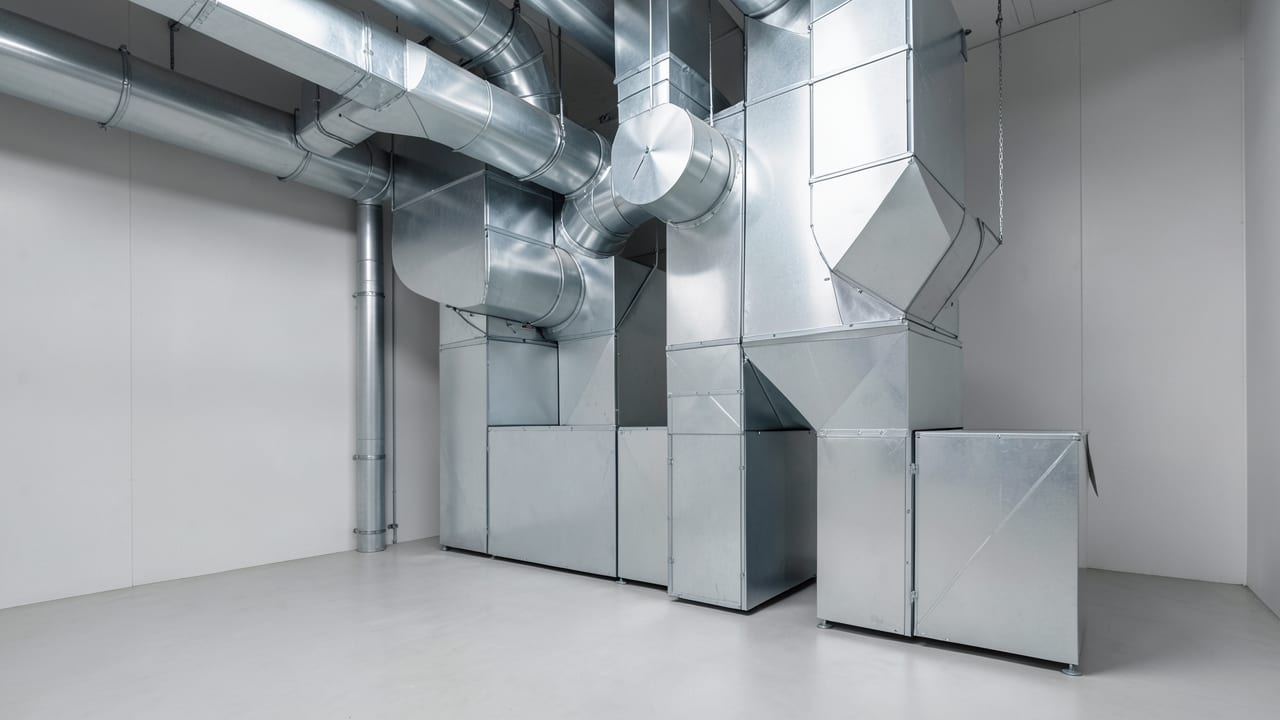
HVAC Mold Remediation in Providence, RI
HVAC and ductwork mold remediation in Providence, RI — mold growing inside the air handler or duct system, spreading through every vent.
Learn More
Bathroom Mold Removal in Providence, RI
Professional assessment and removal of mold in bathrooms to restore a safe, clean environment.
Learn More
Kitchen Mold Cleanup in Providence, RI
Professional assessment and removal of mold in kitchen areas to restore a safe, clean environment.
Learn More
Concrete Mold Remediation in Providence, RI
Professional removal and treatment of mold from concrete surfaces in homes.
Learn More
Laundry Room Mold Cleanup in Providence, RI
Professional mold removal and remediation in laundry rooms to restore a safe, clean space.
Learn More
Flood Damage Mold Remediation in Providence, RI
Professional mold removal and remediation after flood damage in homes.
Learn MoreCommon Questions About Mold Remediation in Providence
Everything you need to know about mold remediation services in Providence
How much does Ceiling Mold Removal typically cost in Providence, RI?
Why does Providence, RI's humidity make mold a bigger risk than in drier regions?
What's the actual difference between mold removal and mold remediation?
Is a final clearance test part of a typical mold remediation job?
How does mold remediation actually prevent the problem from coming back?
Can mold growing inside HVAC ductwork spread to the rest of a home?
Need Mold Remediation in Providence?
Connect with local providers in Providence for a detailed quote.
⏰ We answer your call • Serving all of Providence and surrounding areas