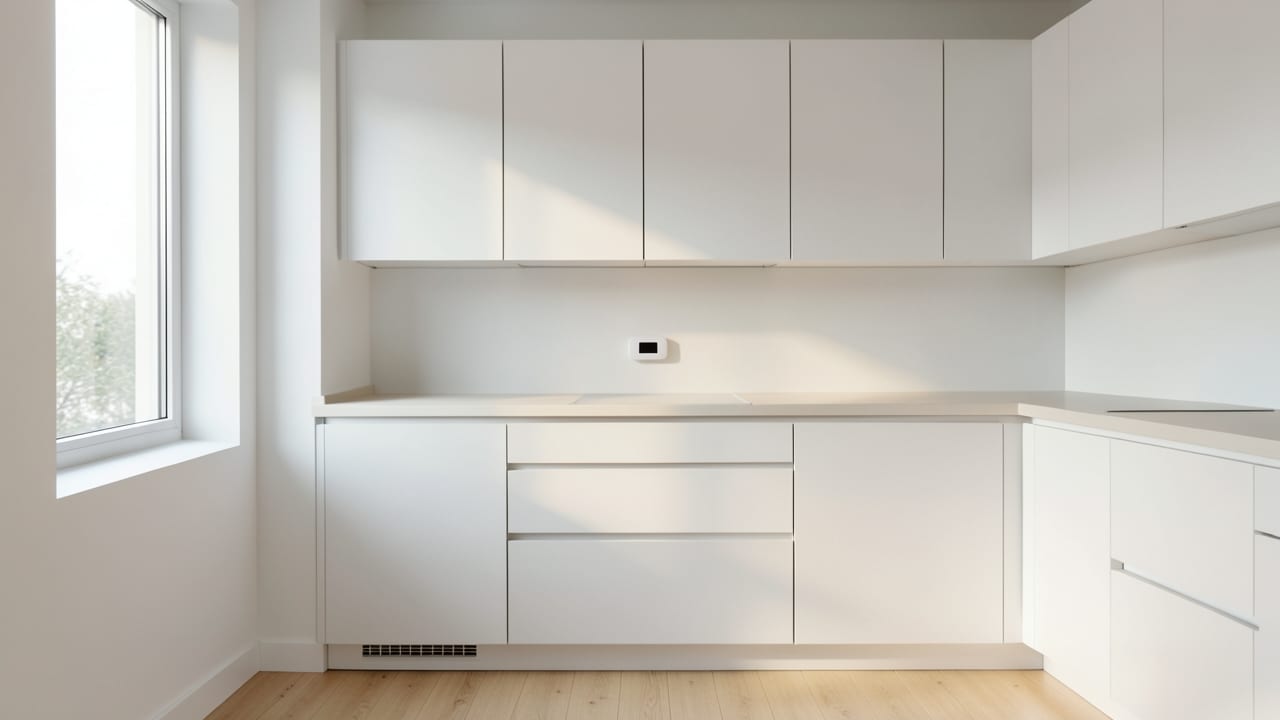
Move-In Mold Assessment
Professional inspection and assessment of mold presence before moving into a property.
When moving into a home in Providence, RI, hidden mold can pose health risks and damage your property. A move-in mold assessment identifies visible and hidden growth, traces moisture sources, and provides a detailed report to help you make informed decisions before occupancy.
This service is designed to uncover issues you might not see or smell, ensuring your new home is safe from contamination.
We also handle Apartment Mold Remediation and Rental Property Mold Cleanup for Providence properties.
Why a move-in assessment matters
Mold often hides behind walls, under floors, or inside HVAC systems, where it can spread undetected. A move-in assessment goes beyond visual checks, using moisture meters and thermal imaging to pinpoint damp areas that may harbor mold spores.
Without this step, you risk settling into a home with lingering contamination that could affect your health or require costly remediation later.
The assessment also includes air and surface sampling from suspect areas, compared against a control sample from an unaffected room. This comparison helps determine whether spore counts are elevated due to mold growth or normal household dust.
The results, analyzed by an independent lab, provide a clear picture of what needs attention—and what doesn’t.
Signs You Need an Assessment
- A persistent musty or earthy smell in closets, bathrooms, or crawl spaces that doesn’t fade with ventilation.
- Visible mold spots—black, green, brown, or dark speckles—on drywall, grout, window frames, or under carpets.
- A history of leaks or floods that were cleaned up but never professionally inspected for hidden moisture.
- Health symptoms (sneezing, headaches, itchy eyes) that improve when you avoid a specific room in the house.
- Condensation or water stains on ceilings, walls, or basements, even if no active leak is visible.
What the assessment includes
The process begins with a thorough walkthrough of your home, focusing on areas prone to moisture—basements, bathrooms, kitchens, and around windows. The inspector maps every affected room and uses tools like moisture meters and thermal imaging to detect hidden dampness.
This step is critical because mold thrives where moisture lingers, even if no visible growth exists yet.
After identifying potential issues, the inspector collects air and surface samples from suspect areas, plus a control sample from an unaffected room. These samples are sent to an independent lab for analysis, ensuring the results are accurate and unbiased.
The lab reports back with spore counts and species identification, which help determine the severity of the issue and whether remediation is needed.
What the report provides
The written report from your assessment outlines which materials are affected, the likely moisture source, and the square footage involved.
This document is essential for two reasons: it helps you understand the scope of the problem, and it serves as a requirement in states that regulate mold remediation before work begins. Without it, you risk hiring a contractor who may miss hidden issues or fail to address the root cause.
The report also distinguishes between remediation (removing existing mold) and prevention (fixing moisture sources). Skipping the moisture diagnosis leaves you vulnerable to the same problem recurring, often at a higher cost. A professional assessment ensures you have the full picture before making decisions about your home.
| Red Flag | Why It Matters | What to Do Next |
|---|---|---|
| Musty smell in a specific area | Indicates hidden mold growth, even if no visible spores are present. | Schedule an assessment to identify the source and extent. |
| Water stains or peeling paint | Signals past or ongoing moisture, a primary cause of mold. | Inspect for leaks or poor ventilation; assess if remediation is needed. |
| Health symptoms linked to a room | Could be triggered by mold spores or poor air quality. | Test the air quality and address moisture issues to improve conditions. |
| Visible mold in multiple rooms | Suggests a systemic moisture problem, like HVAC or plumbing issues. | Assess the entire home to determine the root cause. |
How a move-in mold assessment works
This step-by-step process ensures a thorough evaluation of your home’s mold risk before you move in.
- 1Visual and Moisture Inspection
A trained inspector examines every room, focusing on walls, ceilings, basements, and HVAC systems. They use moisture meters and thermal imaging to detect hidden dampness that isn’t visible to the naked eye, mapping affected areas before any sampling begins.
- 2Air and Surface Sampling
Samples are collected from areas with visible or suspected mold, plus one unaffected room as a control. Spore-trap air samples and surface swabs are sent to an independent lab for unbiased analysis, ensuring results are accurate and comparable.
- 3Lab Analysis and Reporting
The lab identifies spore counts and species, which are compared against the control sample. The inspector then traces moisture back to its source—such as roof leaks, plumbing issues, or poor ventilation—to provide a complete picture of the problem.
- 4Written Scope Report
The findings are compiled into a detailed report describing affected materials, moisture sources, and square footage. This document helps you plan remediation and ensures compliance with state regulations, if applicable.
- 5Recommendations for Remediation or Prevention
Based on the report, the inspector advises whether remediation is needed and how to fix moisture issues to prevent future growth. This step is intended to help you address problems before they worsen.
Frequently asked questions
Can mold grow in my home even if I don’t see or smell it?
Yes. Mold often hides in wall cavities, under flooring, or inside HVAC systems, where it can spread without visible signs. A move-in assessment uses tools like moisture meters and thermal imaging to detect hidden growth and moisture sources that may not be obvious.
What’s the difference between a mold assessment and a remediation quote?
An assessment identifies and documents mold issues, including moisture sources, and provides a report for your records. A remediation quote, by contrast, estimates the cost to remove existing mold and fix the underlying problem—often based on the assessment report.
Will the assessment tell me exactly what type of mold is in my home?
The lab analysis will identify the species present and their concentration, but the assessment itself focuses on determining whether remediation is needed. Some molds are more common in homes, while others require specific conditions to grow.
How long does it take to get results after the assessment is done?
Lab turnaround typically takes 2–5 business days, depending on the volume of samples and the lab’s workload. The inspector will provide a timeline during the walkthrough, so you know when to expect the report.
Where Providence sits, and what the Census lists nearby
Providence sits in Rhode Island, and the closest places listed in the U.S. Census Gazetteer are East Providence (3.4 miles southeast), Pawtucket (4.3 miles northeast), Central Falls (4.8 miles north), Cranston (5 miles southwest). Within 25 miles of Providence the same source lists 48 distinct incorporated places and census-designated places.
Those figures matter for move-in mold assessment because they are straight-line distances between Census coordinate points: road mileage between Providence and East Providence runs longer than the 3.4 miles shown, which is why quotes for the same job differ between towns that look close together on a map.
Source: U.S. Census Bureau Gazetteer.
See Pawtucket, RI for more, or check out how our Providence crew can help by neighborhood for our complete lineup.
Ready to get started?
Talk to a local mold remediation pro in Providence — get a written quote.
Other Mold Remediation Services in Providence

Apartment Mold Remediation in Providence, RI
Professional mold removal and remediation for apartments to restore safe living conditions.
Learn More
Rental Property Mold Cleanup in Providence, RI
Professional mold removal and remediation for rental properties to restore safe living conditions.
Learn More
Hospital Mold Removal in Providence, RI
Professional assessment and removal of mold in hospitals to ensure a safe, healthy environment.
Learn More
Wood Furniture Mold Remediation in Providence, RI
Professional removal and treatment of mold from wood furniture to restore safety and appearance.
Learn More
Vinyl Flooring Mold Treatment in Providence, RI
Professional mold treatment and removal for vinyl flooring in homes.
Learn More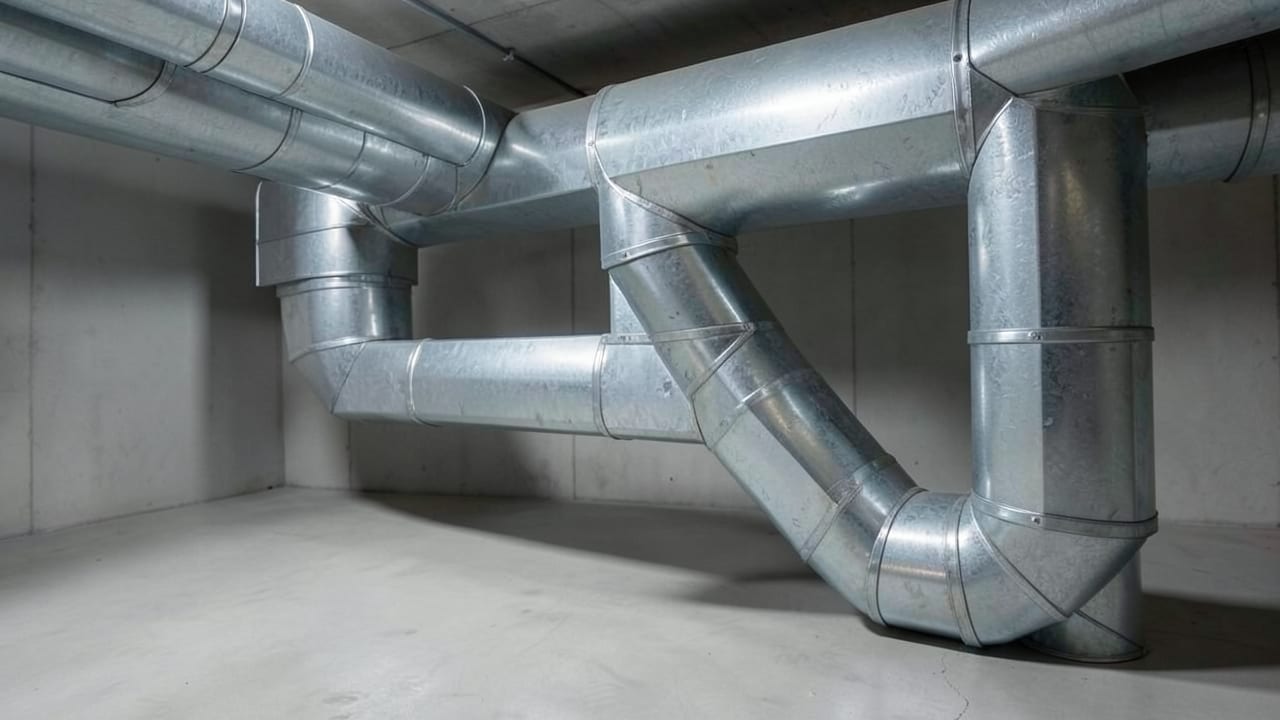
Metal Ductwork Mold Remediation in Providence, RI
Professional removal of mold from metal ductwork to restore indoor air quality.
Learn MoreCommon Questions About Mold Remediation in Providence
Everything you need to know about mold remediation services in Providence
How much does Move-In Mold Assessment typically cost in Providence, RI?
Why does Providence, RI's humidity make mold a bigger risk than in drier regions?
What's the actual difference between mold removal and mold remediation?
Is a final clearance test part of a typical mold remediation job?
How does mold remediation actually prevent the problem from coming back?
Can mold growing inside HVAC ductwork spread to the rest of a home?
Need Mold Remediation in Providence?
Connect with local providers in Providence for a detailed quote.
⏰ We answer your call • Serving all of Providence and surrounding areas