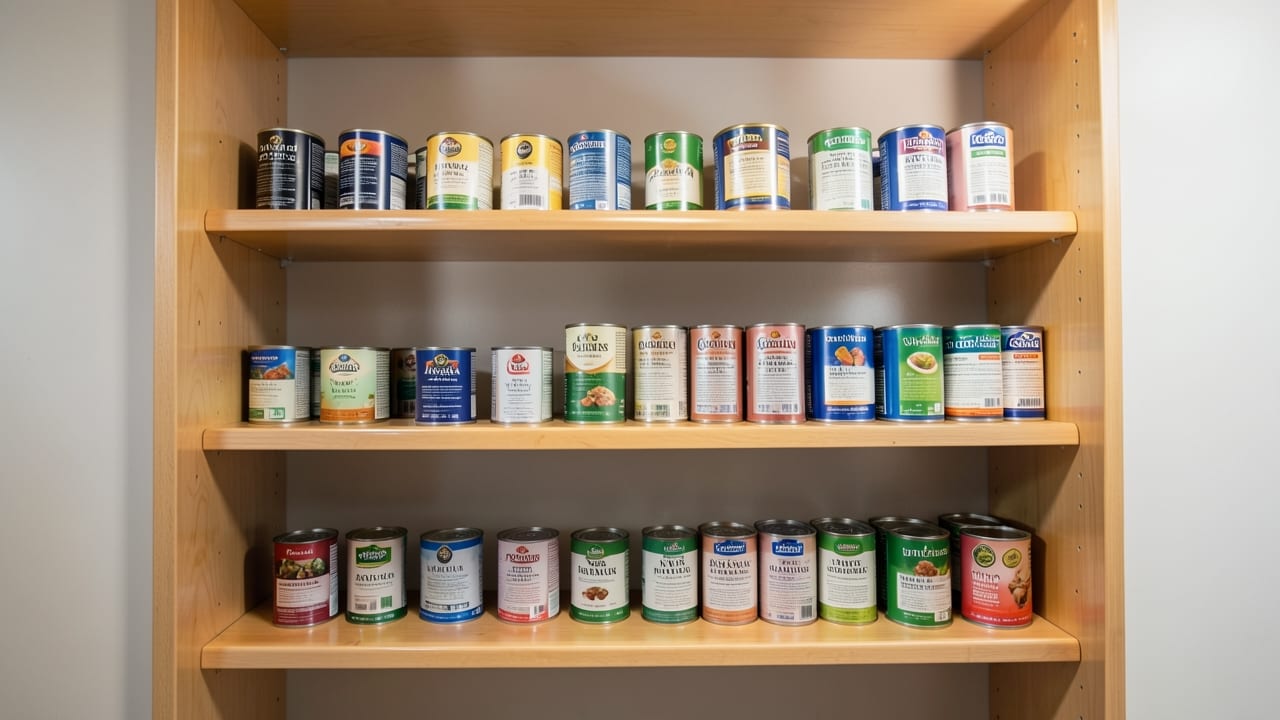
Pantry Mold Treatment
Professional assessment and removal of mold in pantry areas to restore a safe, clean space.
Pantry mold treatment in Providence, RI, focuses on removing mold growth from food storage areas by addressing moisture sources, cleaning affected surfaces, and improving ventilation. Unlike surface cleaning, professional remediation includes containment, HEPA filtration, and structural drying to prevent recurrence.
Recognizing when a problem requires professional help—such as persistent growth or hidden contamination—helps ensure the issue is resolved effectively.
We also handle Metal Ductwork Mold Remediation and Brick Masonry Mold Treatment for Providence properties.
When to call for professional pantry mold treatment
Mold in a pantry often starts small but can quickly spread if moisture and poor airflow persist. Professional treatment is typically needed when mold covers more than a small patch, returns after cleaning, or is accompanied by a musty smell with no visible source.
These signs suggest hidden growth or an unresolved moisture issue.
DIY methods like scrubbing or bleach may temporarily reduce visible mold but often fail to address the root cause. Without proper containment and HEPA filtration, spores can spread to other areas of the home. Professional remediation ensures the job is done safely and thoroughly, reducing the risk of recurrence.
Signs Your Pantry Mold Needs Professional Treatment
- Mold covers more than 25 contiguous square feet (a common threshold for professional work).
- The mold keeps returning after cleaning, even in the same spot.
- You notice a musty smell with no visible mold, especially when the HVAC system is running.
- The affected area is hard to reach or requires disturbing materials (e.g., behind shelves, inside walls).
What affects the cost and scope of pantry mold treatment?
The cost of pantry mold treatment varies based on the size of the affected area, the extent of contamination, and whether hidden mold or moisture issues are discovered during the process.
Surface-level mold on drywall or tile typically falls within a predictable range, but additional work—such as removing porous materials or fixing leaks—can increase the total cost.
Clearance testing and containment are often priced separately, so it’s important to confirm whether these are included in any estimate. A thorough job also addresses the moisture source to prevent future growth, which may require extra time and materials.
What to look for in a mold remediation quote
Not all quotes for pantry mold treatment are created equal. Some may exclude critical steps like containment, clearance testing, or fixing the moisture source, leading to incomplete results. A detailed, written scope of work helps avoid surprises and ensures the job is done thoroughly.
Avoid quotes that lack transparency, such as those without itemized pricing, pressure to sign quickly, or requests for full payment upfront. Comparing multiple bids with clear breakdowns helps you choose a provider that aligns with your needs.
| Red Flag | Why It Matters |
|---|---|
| No written scope of work | Makes it difficult to compare bids or hold the provider accountable. |
| Pressure to sign during the inspection | Legitimate scopes take time to prepare; rushing may skip important details. |
| No mention of clearance testing | Without testing, there’s no confirmation the mold was fully removed. |
| Full payment requested upfront | Removes leverage if the work isn’t completed as promised. |
How pantry mold treatment works
Professional remediation follows a structured process to safely remove mold and prevent its return.
- 1Containment Setup
Plastic sheeting and negative-air machines seal off the pantry to prevent spores from spreading to other areas during removal. This step ensures disturbed mold stays contained.
- 2Mold Removal and Material Handling
Porous materials like drywall or insulation that absorb mold are cut out and bagged, while non-porous surfaces like tile or framing are scrubbed and treated. HEPA-filtered equipment captures spores during the process.
- 3Structural Drying
Industrial dehumidifiers and air movers dry the affected area to normal moisture levels, as mold regrows on damp surfaces even after visible traces are removed.
- 4Clearance Testing
An independent lab tests air or surfaces after remediation to confirm spore counts are back to normal levels before containment is removed.
- 5Moisture Source Fix
The underlying cause—such as a leak, condensation, or poor ventilation—is addressed to prevent future mold growth. This step is critical for long-term results.
Frequently asked questions
Can I clean small mold patches in my pantry myself?
Small, isolated patches of mold can sometimes be cleaned with detergent and water, but only if the area is well-ventilated and the moisture source is addressed. If the mold covers more than a few square feet or keeps returning, professional treatment is recommended to ensure it doesn’t spread or regrow.
How long does pantry mold treatment take?
The duration depends on the size of the affected area and whether hidden mold or moisture issues are discovered. Containment, removal, drying, and testing can take anywhere from a few hours to several days, depending on the scope.
Will my pantry smell musty again after treatment?
A musty smell may linger temporarily, even after mold is removed, as odors can penetrate materials. Proper drying and ventilation during and after treatment help reduce lingering smells, but some odors may require additional steps like ozone treatment or deep cleaning.
Do I need to throw out my food if there’s mold in the pantry?
Food stored in sealed containers or the refrigerator is generally safe to keep, as mold spores don’t easily penetrate packaging. However, any food exposed to visible mold or in open containers should be discarded to avoid contamination.
Where Providence sits, and what the Census lists nearby
Providence sits in Rhode Island, and the closest places listed in the U.S. Census Gazetteer are East Providence (3.4 miles southeast), Pawtucket (4.3 miles northeast), Central Falls (4.8 miles north), Cranston (5 miles southwest). Within 25 miles of Providence the same source lists 48 distinct incorporated places and census-designated places.
Those figures matter for pantry mold treatment because they are straight-line distances between Census coordinate points: road mileage between Providence and East Providence runs longer than the 3.4 miles shown, which is why quotes for the same job differ between towns that look close together on a map.
Source: U.S. Census Bureau Gazetteer.
See Warwick, RI for more, or check out our full Providence-area coverage in detail for our complete lineup.
Ready to get started?
Talk to a local mold remediation pro in Providence — get a written quote.
Other Mold Remediation Services in Providence
Metal Ductwork Mold Remediation in Providence, RI
Professional removal of mold from metal ductwork to restore indoor air quality.
Learn More
Brick Masonry Mold Treatment in Providence, RI
Professional mold treatment and removal from brick masonry to restore structural integrity and indoor air quality.
Learn More
Stairwell Mold Remediation in Providence, RI
Professional mold removal and prevention in stairwells to restore safe, clean spaces.
Learn More
Balcony Mold Cleanup in Providence, RI
Professional removal and treatment of mold growth on balconies and adjacent structures.
Learn More
Sunroom Mold Remediation in Providence, RI
Professional removal and treatment of mold in sunrooms to restore a safe, clean space.
Learn More
HOA Mold Remediation in Providence, RI
Professional mold removal and remediation for HOA properties to restore safe, healthy living conditions.
Learn MoreCommon Questions About Mold Remediation in Providence
Everything you need to know about mold remediation services in Providence
How much does Pantry Mold Treatment typically cost in Providence, RI?
Why does Providence, RI's humidity make mold a bigger risk than in drier regions?
Can small mold problems be handled without hiring anyone?
What's the actual difference between mold removal and mold remediation?
Is a final clearance test part of a typical mold remediation job?
How does mold remediation actually prevent the problem from coming back?
Need Mold Remediation in Providence?
Connect with local providers in Providence for a detailed quote.
⏰ We answer your call • Serving all of Providence and surrounding areas