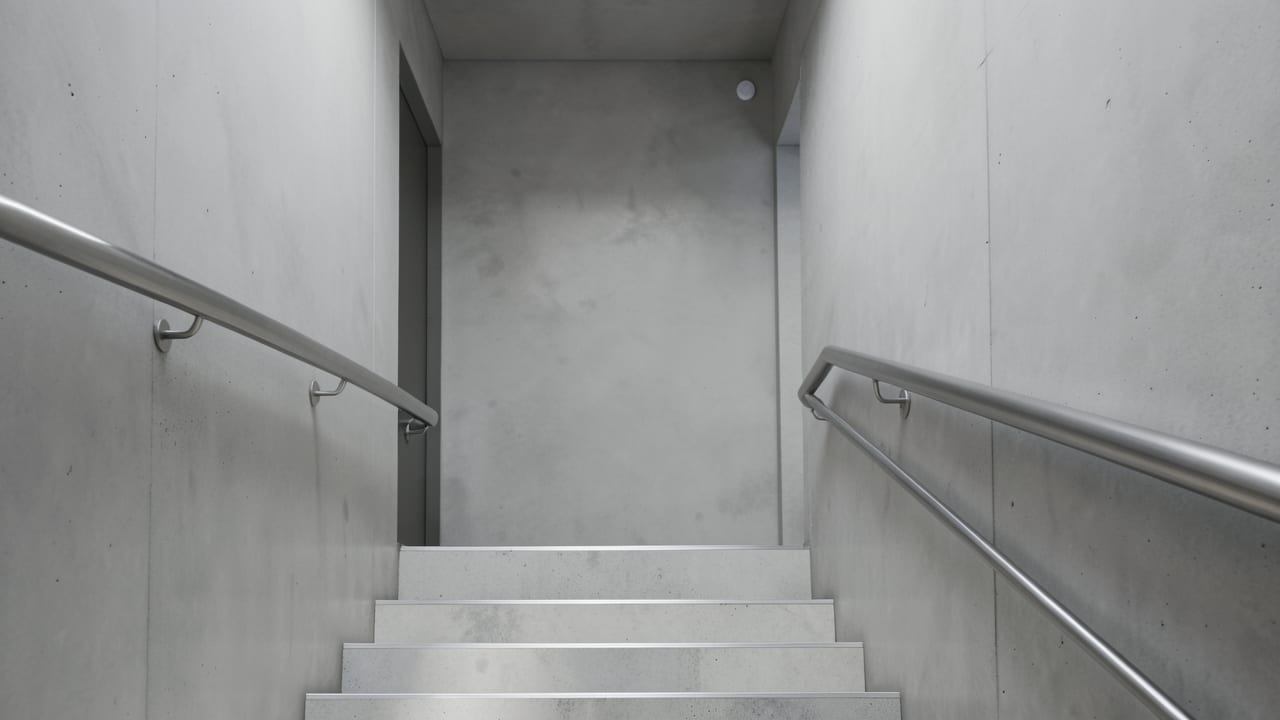
Stairwell Mold Remediation
Professional mold removal and prevention in stairwells to restore safe, clean spaces.
Stairwell mold remediation in Providence, RI, addresses mold growth in staircases, landings, and connected areas by safely removing visible and hidden spores to prevent regrowth and structural damage. This process is critical for maintaining a healthy home environment, especially in older properties where moisture issues are common.
When to consider stairwell mold remediation
Mold in stairwells often goes unnoticed until it spreads or becomes visible. Signs it’s time for professional remediation include mold covering more than a small, isolated patch (typically over 25 square feet), recurring growth after cleaning, or a musty smell that persists or worsens when the HVAC system runs.
We also handle Commercial Mold Remediation and Mold Prevention & Moisture Control for Providence properties.
These indicate hidden moisture sources or extensive contamination that requires specialized treatment.
Stagnant air in stairwells—common in windowless or poorly ventilated spaces—can trap moisture and encourage mold. If you notice dampness, condensation, or mold returning in the same spot, these are clear signals that the underlying issue hasn’t been addressed.
Ignoring these signs can lead to structural damage and health concerns over time.
Signs Professional Remediation Is Needed
- Mold covers more than 25 contiguous square feet in the stairwell or connected areas.
- Mold keeps returning after cleaning, even with surface treatments.
- A musty smell persists or worsens when the HVAC system is on, suggesting hidden growth.
- Visible moisture, condensation, or water stains are present near the mold.
- The stairwell or surrounding areas have poor airflow or are frequently damp.
What affects cost and timeline
The scope of stairwell mold remediation varies based on the extent of contamination, the materials involved, and whether hidden moisture sources need to be addressed. For example, removing mold from drywall and insulation requires more labor and containment than treating non-porous surfaces like tile or framing.
Additional work, such as structural drying or fixing leaks, can extend the timeline and cost.
Clearance testing is a critical step that often adds to the overall expense but ensures the work is thorough. Without it, there’s no independent confirmation that spore levels have returned to normal.
Similarly, containment and proper disposal of moldy materials are non-negotiable to prevent cross-contamination, which can turn a small job into a larger, more costly one.
Why containment and testing matter
Containment is the first step in stairwell mold remediation, using plastic sheeting and negative-air machines to isolate the work area. This prevents spores stirred up during removal from spreading to other parts of the home.
Skipping this step can turn a contained job into a much larger one, as spores may migrate through hallways or HVAC systems into unaffected areas.
HEPA air scrubbing and vacuuming are used throughout the process to capture spores that would otherwise remain airborne. Standard shop vacuums or non-HEPA air scrubbers recirculate spores, making the problem worse.
Post-remediation clearance testing, conducted by an independent third party, confirms that spore counts are back to normal before the area is considered finished.
Even small tears in plastic sheeting, propped-open doors, or improper negative air pressure can let spores escape containment. This turns a targeted job into a larger, more expensive one, as spores spread to previously clean areas.
How stairwell mold remediation works
This process ensures mold is removed safely and thoroughly while preventing regrowth.
- 1Containment Setup
Plastic sheeting and negative-air machines seal off the stairwell and connected areas to prevent spores from spreading during removal. This step is critical for keeping the work area isolated.
- 2Material Removal and Treatment
Porous materials like drywall and insulation, which absorb mold, are cut out and disposed of inside containment. Non-porous surfaces like tile or framing are scrubbed and treated to kill remaining spores.
- 3HEPA Filtration and Drying
HEPA air scrubbers run continuously to capture airborne spores, and surfaces are vacuumed with HEPA-filtered equipment. Industrial dehumidifiers and air movers dry the structure to prevent future mold growth.
- 4Clearance Testing
An independent lab tests air or surface samples to confirm spore levels are back to normal before containment is removed. This step ensures the remediation was effective.
Frequently asked questions
What should I do if I find mold in my stairwell but it’s not very large?
If the mold covers less than 25 square feet and hasn’t returned after cleaning, you may be able to handle it with surface treatments and fixing the moisture source. However, if it’s in a hard-to-reach area or keeps coming back, professional remediation is recommended to prevent hidden growth.
How long does stairwell mold remediation typically take?
The timeline depends on the extent of contamination and whether additional work, like fixing leaks or drying structures, is needed. Containment, removal, and drying can take anywhere from a few days to over a week, followed by clearance testing.
Will my stairwell smell musty after remediation is complete?
A musty smell often lingers if hidden mold or moisture sources weren’t fully addressed. Clearance testing helps confirm whether spores are still present, but fixing the root cause—such as improving airflow or sealing leaks—is key to preventing the smell from returning.
Do I need to leave my home during the remediation process?
You may need to vacate the area or even the home temporarily, depending on the scope of the job. Containment and air scrubbing minimize exposure, but some remediation steps require the space to be sealed off for safety.
Where Providence sits, and what the Census lists nearby
Providence sits in Rhode Island, and the closest places listed in the U.S. Census Gazetteer are East Providence (3.4 miles southeast), Pawtucket (4.3 miles northeast), Central Falls (4.8 miles north), Cranston (5 miles southwest). Within 25 miles of Providence the same source lists 48 distinct incorporated places and census-designated places.
Those figures matter for stairwell mold remediation because they are straight-line distances between Census coordinate points: road mileage between Providence and East Providence runs longer than the 3.4 miles shown, which is why quotes for the same job differ between towns that look close together on a map.
Source: U.S. Census Bureau Gazetteer.
See Cranston, RI for more, or find out about the full mold remediation lineup we run in Providence side by side for our complete lineup.
Ready to get started?
Talk to a local mold remediation pro in Providence — get a written quote.
Other Mold Remediation Services in Providence
Commercial Mold Remediation in Providence, RI
Commercial mold inspection and remediation in Providence, RI for offices, retail space, and multi-unit properties, scheduled around business operations.
Learn More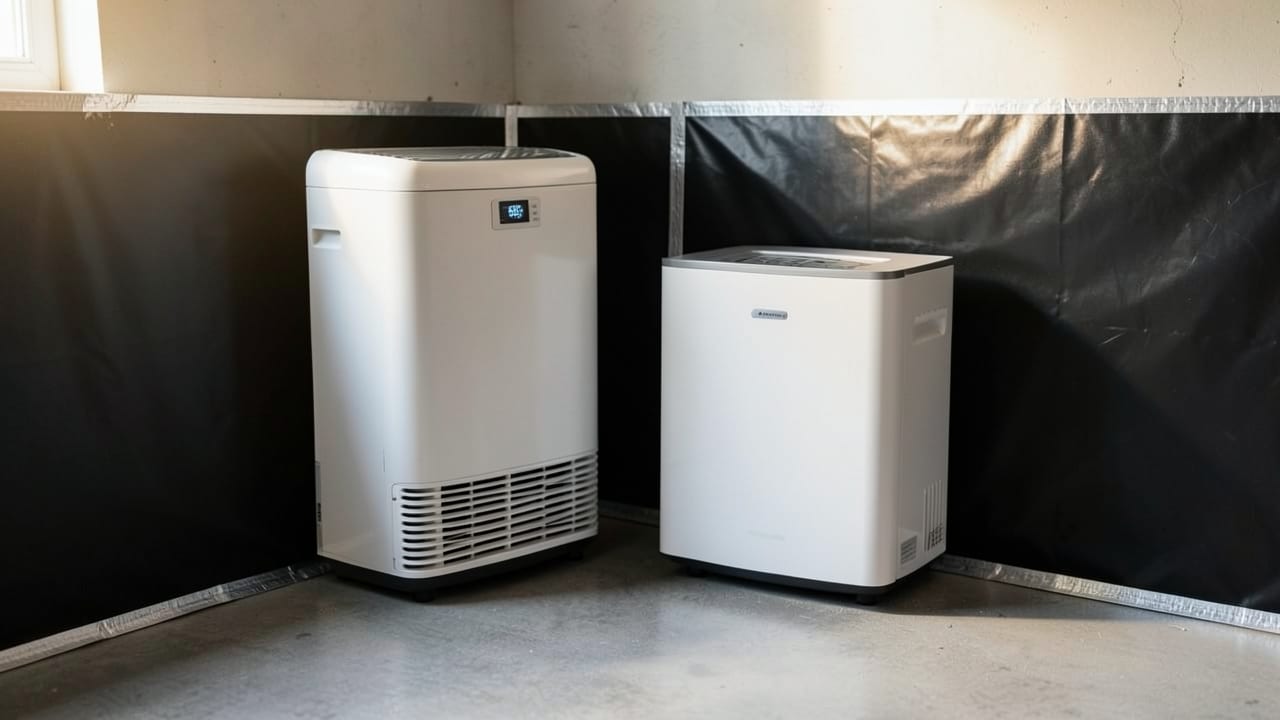
Mold Prevention & Moisture Control in Providence, RI
Mold prevention and moisture control in Providence, RI — addressing ventilation, humidity, and drainage before growth starts, not after.
Learn More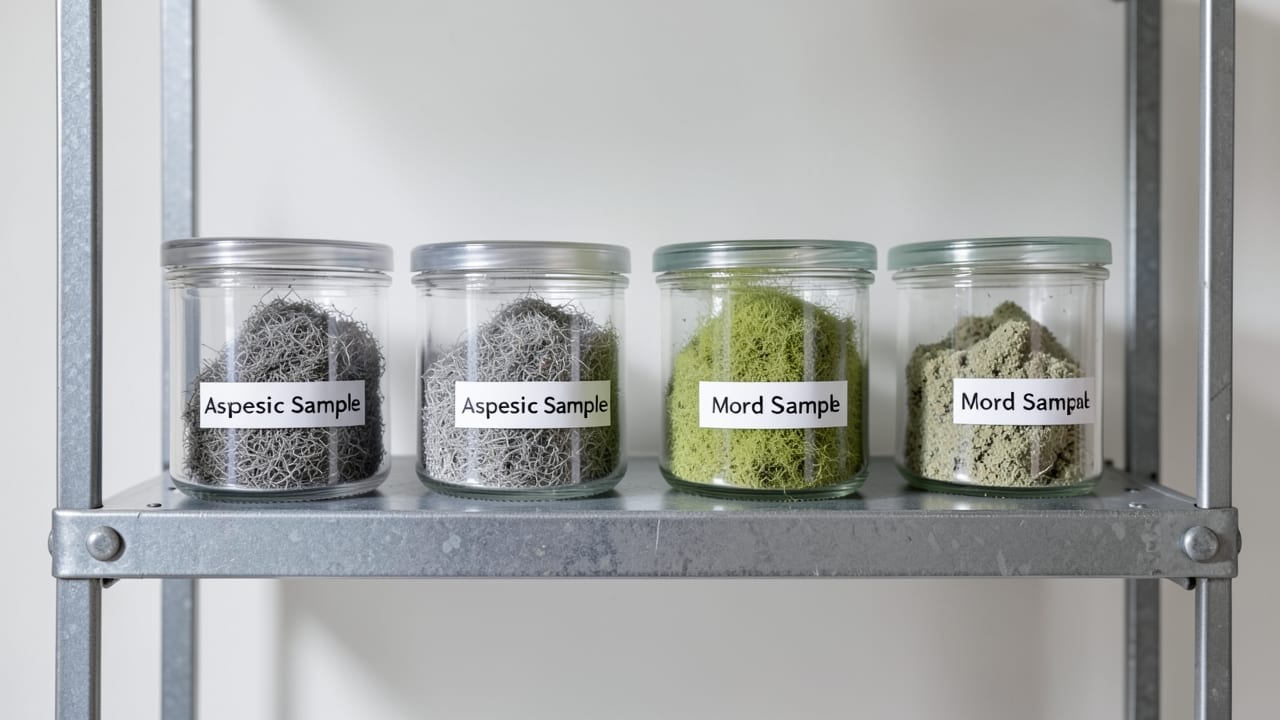
Mold & Asbestos Testing in Providence, RI
Combined mold and asbestos testing in Providence, RI — one inspection visit, lab-verified results for both.
Learn More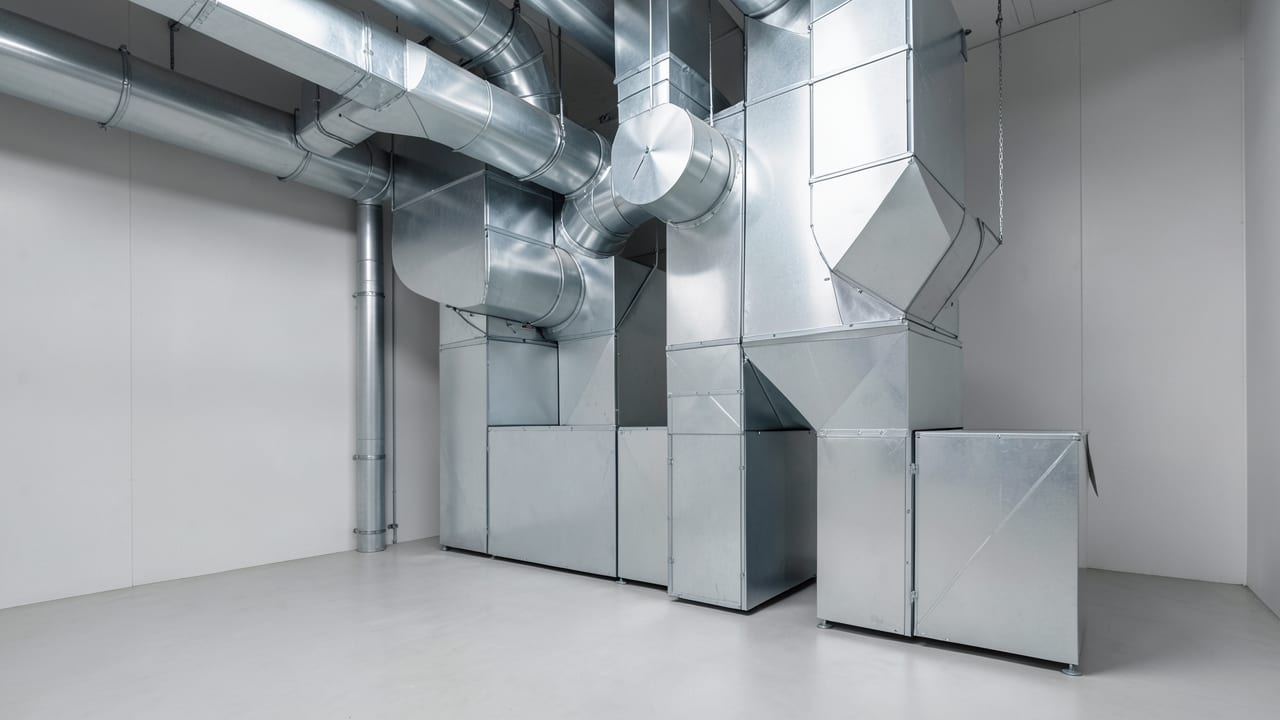
HVAC Mold Remediation in Providence, RI
HVAC and ductwork mold remediation in Providence, RI — mold growing inside the air handler or duct system, spreading through every vent.
Learn More
Bathroom Mold Removal in Providence, RI
Professional assessment and removal of mold in bathrooms to restore a safe, clean environment.
Learn More
Kitchen Mold Cleanup in Providence, RI
Professional assessment and removal of mold in kitchen areas to restore a safe, clean environment.
Learn MoreCommon Questions About Mold Remediation in Providence
Everything you need to know about mold remediation services in Providence
How much does Stairwell Mold Remediation typically cost in Providence, RI?
Why does Providence, RI's humidity make mold a bigger risk than in drier regions?
Does homeowners insurance typically cover mold remediation?
Is black mold actually more dangerous than other mold types?
How long does a typical mold remediation job take?
Is it safe to stay in the home during mold remediation?
Need Mold Remediation in Providence?
Connect with local providers in Providence for a detailed quote.
⏰ We answer your call • Serving all of Providence and surrounding areas