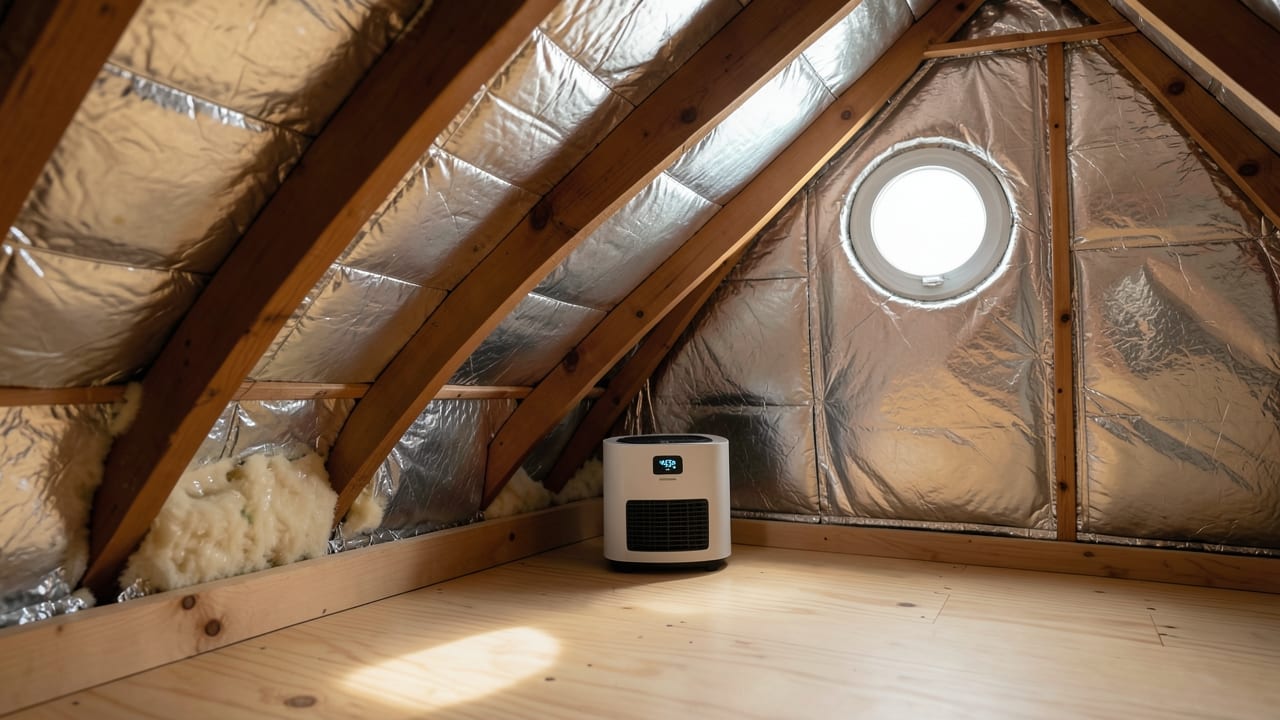
Pre-Winter Mold Prevention
Pre-winter mold prevention involves inspection and treatment to stop mold growth before cold weather.
As temperatures drop in Providence, RI, the risk of mold growth increases in damp spaces like attics, basements, and crawl spaces. Pre-winter mold prevention focuses on sealing leaks, improving airflow, and applying treatments to vulnerable areas before moisture becomes a problem.
This proactive approach helps protect your home from hidden damage and musty odors before winter sets in.
We also handle Sunroom Mold Remediation and Pantry Mold Treatment for Providence properties.
When is it time for pre-winter mold prevention?
Mold growth often starts small but can spread quickly in hidden areas before you notice it. Look for visible patches larger than a few square feet, recurring mold in the same spot after cleaning, or a persistent musty smell—especially when the HVAC runs.
These signs indicate moisture issues that need professional attention before winter locks them in place.
Basements, windowless bathrooms, and closets with poor airflow are high-risk zones. If you’ve noticed condensation on windows, damp spots on walls, or a stale odor in these areas, it’s time to act. Addressing these issues now can prevent costly repairs and health concerns later.
Signs You Need Pre-Winter Mold Prevention
- Mold covering more than a small, isolated patch (typically over 25 sq. ft. of contiguous growth).
- Recurring mold in the same spot after cleaning, suggesting an unaddressed moisture source.
- A musty smell with no visible mold, often indicating hidden growth in walls, under flooring, or inside ductwork.
- Persistent dampness in areas with poor airflow, like basements, closets, or windowless bathrooms.
What affects the cost and scope of pre-winter mold work?
The size of the affected area is the biggest factor in pricing, with typical costs ranging based on square footage. Black mold often requires additional treatment, which can increase the total cost.
Hidden moisture sources, like leaks behind walls or poor grading outside, may also add to the scope of work needed to prevent regrowth.
Containment, clearance testing, and fixing the moisture source are critical steps that should be included in any estimate. Skipping these can lead to incomplete results and higher costs down the road if the mold returns.
What to look for in a pre-winter mold prevention provider
Not all mold work is created equal, and some providers cut corners that can make the problem worse. A legitimate estimate should include inspection, containment, remediation, and clearance testing—never just one or two of these steps.
Ask for a written scope of work before any work begins to avoid unexpected costs or incomplete fixes.
Beware of quotes that exclude containment or clearance testing, or that pressure you to sign a contract during the same visit as the inspection. A thorough job requires time to assess the full scope and ensure the moisture source is addressed.
| Red Flag | Why It’s a Concern |
|---|---|
| Low quote excluding containment or testing | May lead to incomplete removal and hidden regrowth. |
| No written scope of work | Makes it difficult to compare bids or hold the provider accountable. |
| Pressure to sign during inspection | Legitimate scopes take time to prepare accurately. |
| No mention of clearance testing | Without testing, there’s no confirmation the mold is fully gone. |
How pre-winter mold prevention works
- 1Containment Setup
Plastic sheeting and negative-air machines seal off the work area to prevent spores from spreading to unaffected parts of your home during removal.
- 2Material Removal and Cleaning
Porous materials heavily contaminated with mold, like drywall or insulation, are cut out and disposed of in sealed bags. Non-porous surfaces, such as tile or framing, are scrubbed and treated to kill remaining spores.
- 3Structural Drying
Industrial dehumidifiers and air movers reduce moisture levels in framing and subfloors to prevent mold from returning after visible traces are removed.
- 4HEPA Filtration and Testing
HEPA air scrubbers and vacuums capture airborne spores during the process, and an independent clearance test confirms spore counts are back to normal before containment is removed.
- 5Moisture Source Fix
The underlying cause—like leaks, poor ventilation, or grading issues—is addressed to prevent future mold growth in the same area.
Frequently asked questions
Can I clean small mold patches myself before winter, or should I call a professional?
Small patches (under 25 sq. ft.) can sometimes be cleaned with vinegar or a bleach solution, but if the mold keeps coming back or you notice a musty smell without visible growth, it’s best to call a professional. Hidden moisture sources often require expert inspection and containment to prevent spread.
Will pre-winter mold prevention eliminate all mold spores from my home?
Remediation removes visible mold and reduces spore levels significantly, but spores are naturally present in every home. The goal is to address active growth and moisture issues to prevent regrowth, not to achieve a sterile environment.
How long does the pre-winter mold prevention process take?
The timeline depends on the size and severity of the mold, but most jobs take 2–5 days from start to finish, including containment, removal, drying, and testing. Larger or complex cases may take longer.
Do I need to be home during the process, or can I leave while the work is being done?
You don’t need to be home, but it’s a good idea to limit access to the treated area until containment is removed and clearance testing is complete. The work area may be restricted for safety and to prevent accidental contamination.
Where Providence sits, and what the Census lists nearby
Providence sits in Rhode Island, and the closest places listed in the U.S. Census Gazetteer are East Providence (3.4 miles southeast), Pawtucket (4.3 miles northeast), Central Falls (4.8 miles north), Cranston (5 miles southwest). Within 25 miles of Providence the same source lists 48 distinct incorporated places and census-designated places.
Those figures matter for pre-winter mold prevention because they are straight-line distances between Census coordinate points: road mileage between Providence and East Providence runs longer than the 3.4 miles shown, which is why quotes for the same job differ between towns that look close together on a map.
Source: U.S. Census Bureau Gazetteer.
See Clayville, RI for more, or take a look at every option available in Providence by service type for our complete lineup.
Ready to get started?
Talk to a local mold remediation pro in Providence — get a written quote.
Other Mold Remediation Services in Providence
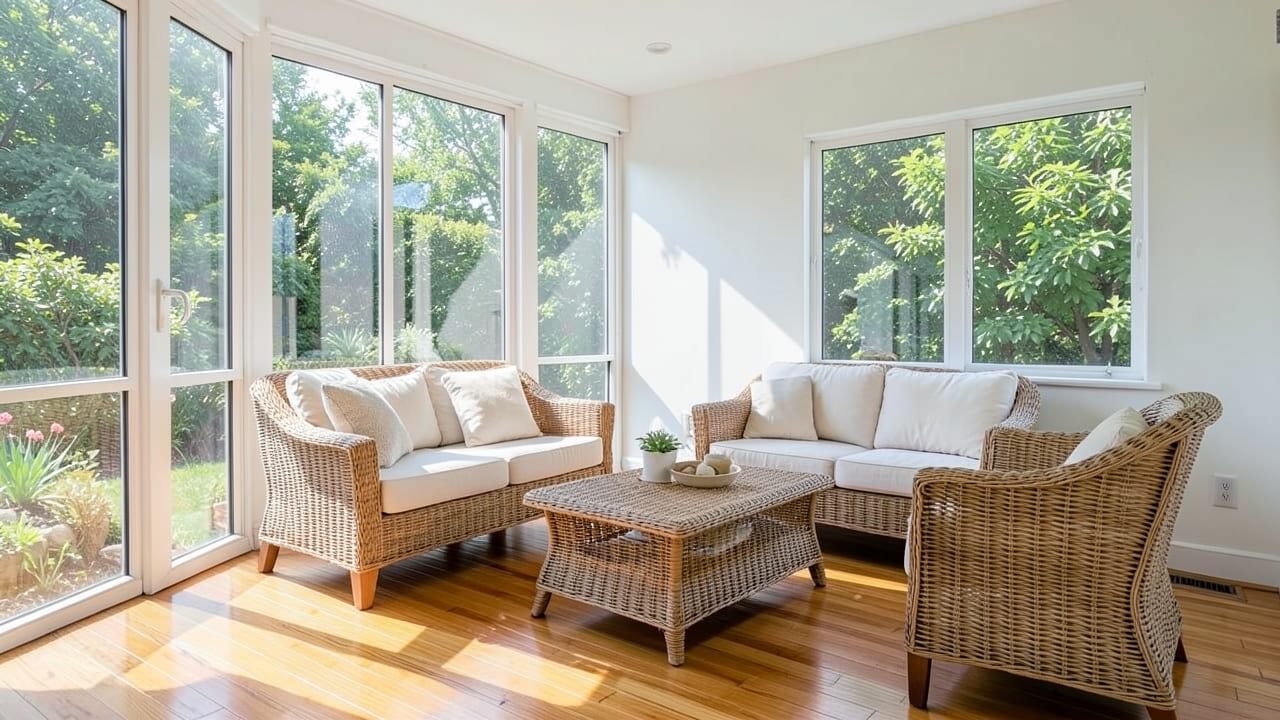
Sunroom Mold Remediation in Providence, RI
Professional removal and treatment of mold in sunrooms to restore a safe, clean space.
Learn More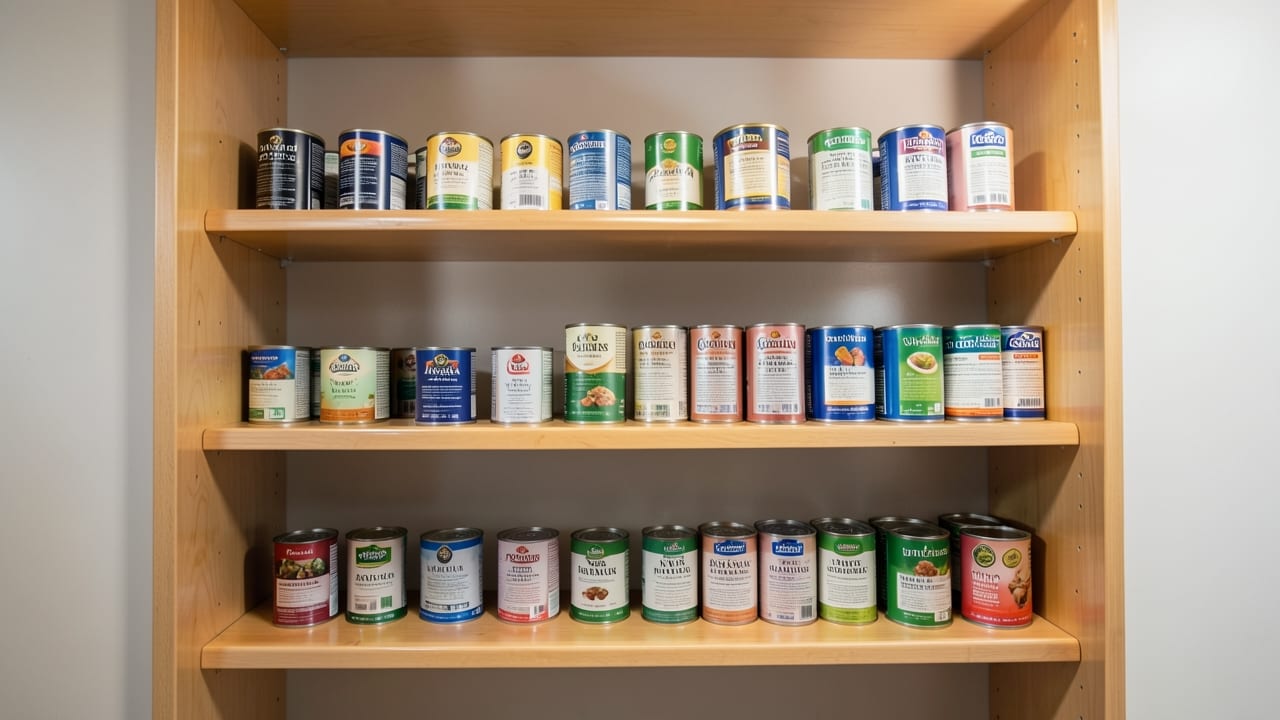
Pantry Mold Treatment in Providence, RI
Professional assessment and removal of mold in pantry areas to restore a safe, clean space.
Learn More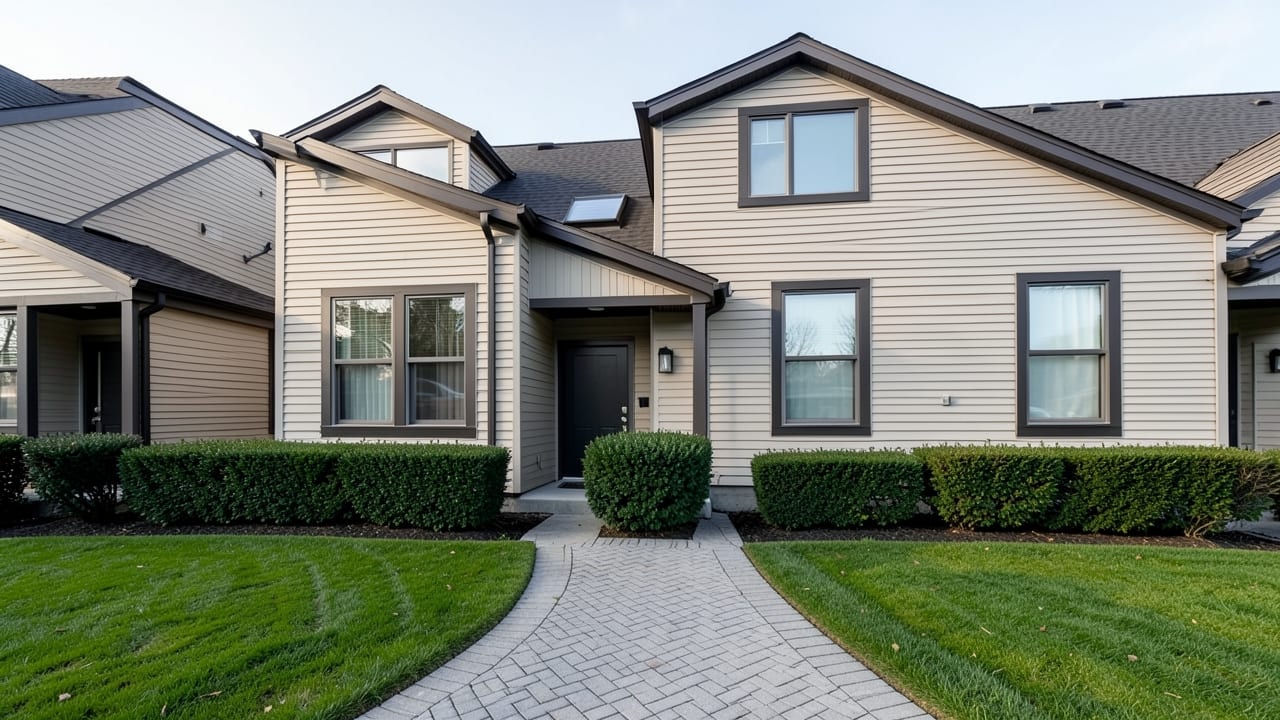
HOA Mold Remediation in Providence, RI
Professional mold removal and remediation for HOA properties to restore safe, healthy living conditions.
Learn More
Restaurant Mold Remediation in Providence, RI
Professional mold removal and remediation for restaurant spaces to ensure safety and compliance.
Learn More
Clinic Mold Remediation in Providence, RI
Professional mold removal and remediation to restore safe, healthy indoor spaces.
Learn More
Hotel Mold Remediation in Providence, RI
Professional removal and treatment of mold growth in hotel properties to restore safe, clean environments.
Learn MoreCommon Questions About Mold Remediation in Providence
Everything you need to know about mold remediation services in Providence
How much does Pre-Winter Mold Prevention typically cost in Providence, RI?
Why does Providence, RI's humidity make mold a bigger risk than in drier regions?
Is it safe to stay in the home during mold remediation?
Can small mold problems be handled without hiring anyone?
What's the actual difference between mold removal and mold remediation?
Is a final clearance test part of a typical mold remediation job?
Need Mold Remediation in Providence?
Connect with local providers in Providence for a detailed quote.
⏰ We answer your call • Serving all of Providence and surrounding areas